The Network They Couldn't See
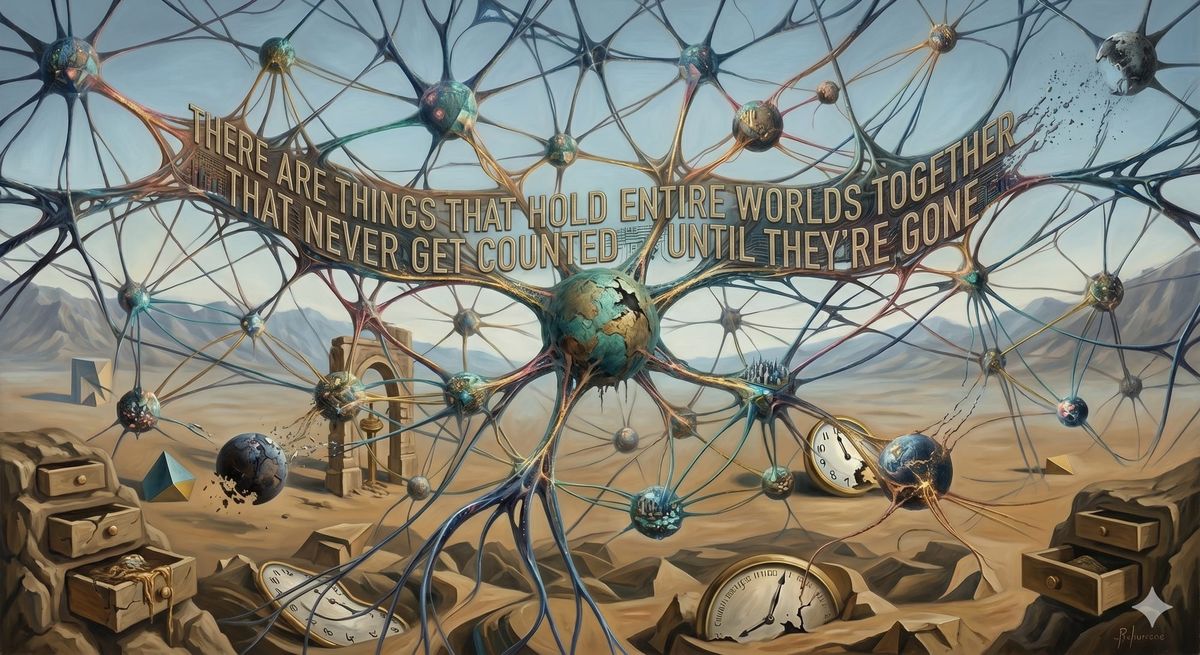
There are things that hold entire worlds together that never get counted until they're gone.
My partner and a close friend got let go on last Wednesday. My partner had been there over 13 years. My friend, who he'd helped get connected with the role, was closing in on four.
I'd left 13 years earlier. I was there first, actually, a flagship node. And I got the job through a former colleague from my first job out of college...the OG node! My partner joined about 10 months after me, as I was headed to Narrative Science to dive deeper into startups. He stayed, growing the brand and team. Eight years into his tenure, our talented friend was on the hunt for her new role and landed on one of his adjacent teams. Three people, through their chain of trusted friendships and affirmation of each other's talents, invisibility propping up parts of the firm that didn't intentionally source any of it.
Point being, none of us found that place through a job board. We came in through people we respected, who respected us back, and the work network got built around that. I came in as a 'left-brain' on the product and tech side; they were the 'right-brained' side of the craft, working in the firm's creative marketing arm. And over the years the node network extended outward the way they do when people trust each other and naturally lift each other up with opportunities (and let's face it, have a little fun, too!).
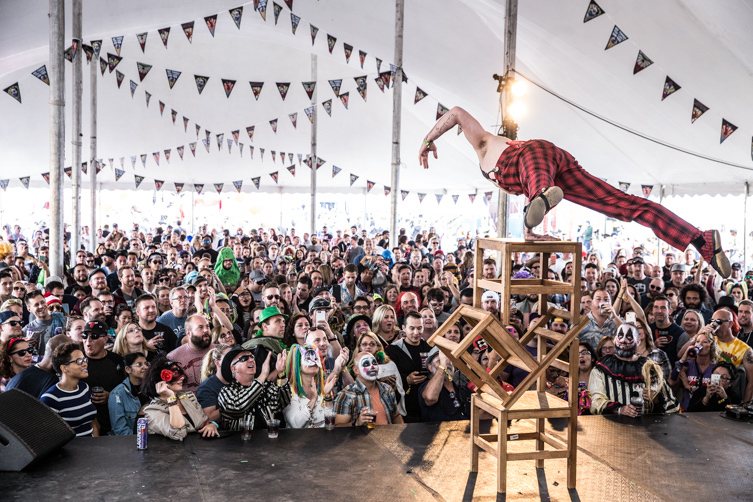
My friend and former colleague from Narrative Science, who was one of my bridesmaids, a writer and marketer, and a professional dance and choreographer worked with the firm to create an inventive keynote opening performance. My partner's team did the event graphics and audio for her work. She later helped choreograph another 'Gap' style ad for them a few years later. An excellent engineer (again from Narrative Science) side gigged playing trombone for a riot of a musical act (Mucca Pazza, IYKYK). My partner and I went to see them at the annual Lagunitas Beer Circus in 2012. We got the hair brained idea to pitch them to open the following year's keynote event at the company's next conference.
A close friend of my partner's who he met at a previous job and also stood beside us at our wedding, served as an actor for yet another ad campaign. Filmed in our apartment! And yet another close friend of ours for 20 years who is both a security software engineer and excellent musician on the side, composed the opening theme for the technology podcast my partner produced and engineered for the firm. Last but not least (there is plenty more influence webbing out into my side of the network...for another post) yet another former colleague from my product and services team met me for coffee while he was weighing whether to take a job at that firm. I gave him the honest picture. He took it. He's been there for nearly seven years.
All of it ran on years of trust built across multiple contexts: companies, friendships, creative projects, life events before any of it became work. I also feel like this was part of the unique time for Chicago startups in the early aughts. Built on solidarity, tagging each other in and taking care of each other. This influence is still going to this day, but I'd argue has changed drastically post-pandemic and as companies grew in size.
And I have to say, this network infiltrated all aspects of our life. Stage prep in our living room. Equipment cases stacked against the wall for a week. A documentary subject so moved by a conversation with my partner that he sent a 6-foot olive tree to his office unannounced, in the middle of the workday.
I've been thinking about how much we've already lost of this. Remote work gave us flexibility I genuinely value, but it also unwound the spontaneity that makes real creative trust possible. The accidental conversation. The problem solved in a hallway. Discovery doesn't happen in isolation, and we'd already started building more of it into our lives before this. Social media promised connection and delivered something more like shallow adjacency where you can see everyone, reach anyone, and still feel the particular loneliness of a world sorted into feeds and followers.
Now, layered on top of all of that, corporations making cuts that sever employment and the invisible threads running through entire communities simultaneously. The forces pulling people apart keep compounding. What gets lost each time isn't dramatic enough to mourn in the moment. No press release, no headline, just a Wednesday and a conversation and a network that stops transmitting when taken offline. Last week left me reflecting and reminiscing enough to write my way through a unique kind of grief I hadn't really thought about before.
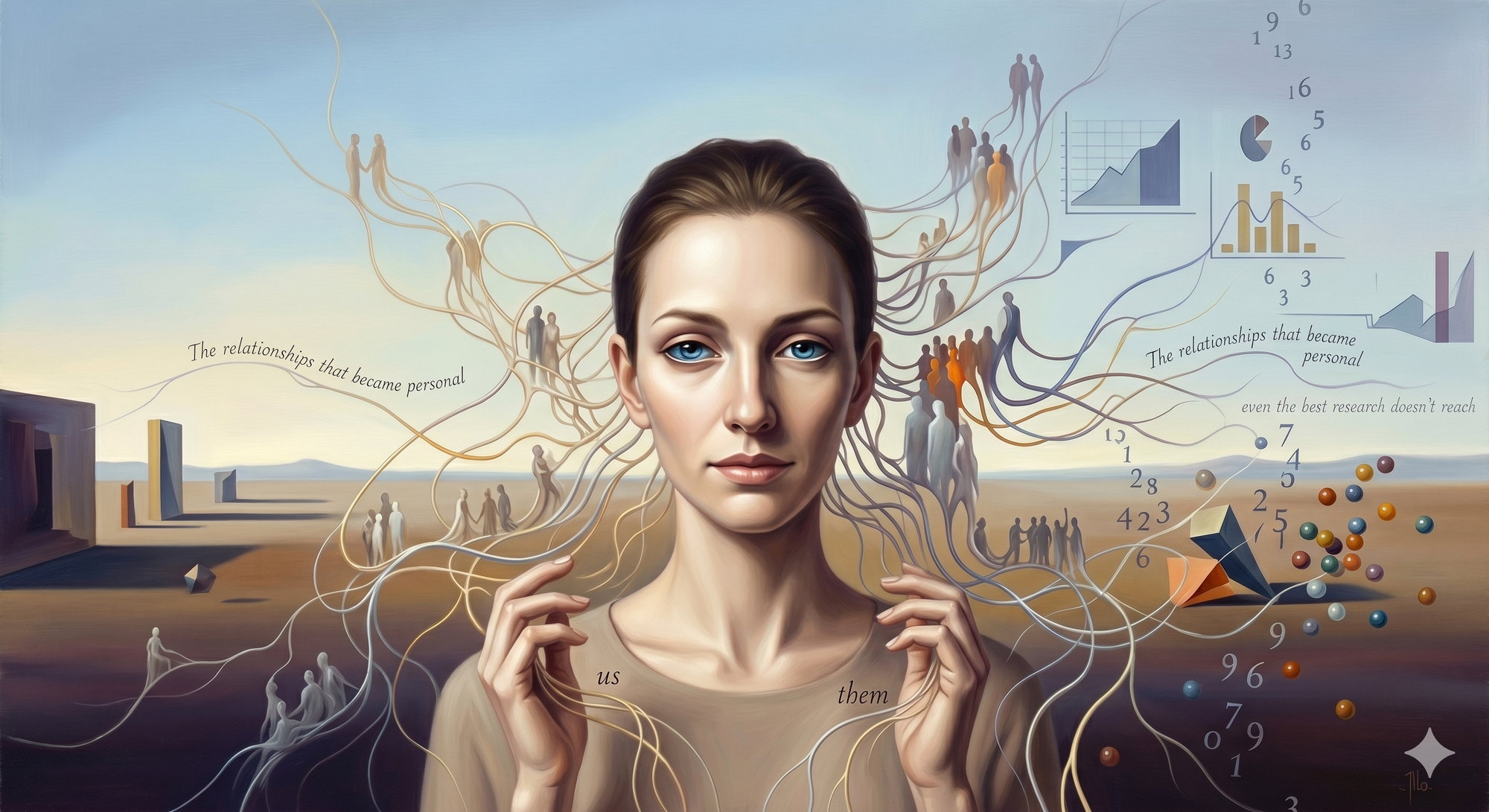
This is an end of an era for me too. I wasn't the one laid off. But so much of my adult life has run through that place. The colleagues who became friends, friends who became collaborators, people who showed up at our wedding and us theirs. My partner and I were there when the company was under 200 people. Nearly 15 years deeply connected to it even after I left. When I posted about his layoff on LinkedIn, my former students, coworkers from companies a decade back, current colleagues, customers, family...all of them showed up to support us. The invisible network made itself visible the moment two nodes were severed.
It's a rupture that runs straight through our lives, and theirs, and the lives of people the firm didn't really know existed to a certain extent. Economists have tried to put numbers on this, and we'll get to that, but even the best research doesn't reach what we're talking about here. The relationships that became personal long before anyone thought to measure them are somewhere else entirely.
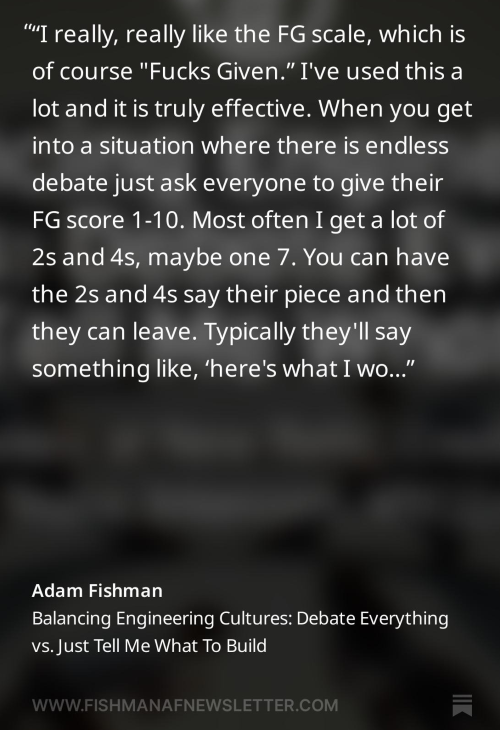
Don't get me wrong, I've also been on the other side, the one delivering that news. Letting people go is something I've done, and I know it's possible to do it and still be a human about it. Showing care, with real knowledge of their situation, and follow-through if I was in a position to help. It was genuinely hard. Every time. But knowing your team is something simpler than any corporate framework makes it sound. It's just being a person who exists in society, who pays attention to the people around them because that's what it means to actually give a damn.
That kind of attention accumulates. It's the result of people who stayed awake to each other over years, kept showing up even when there was no immediate return.
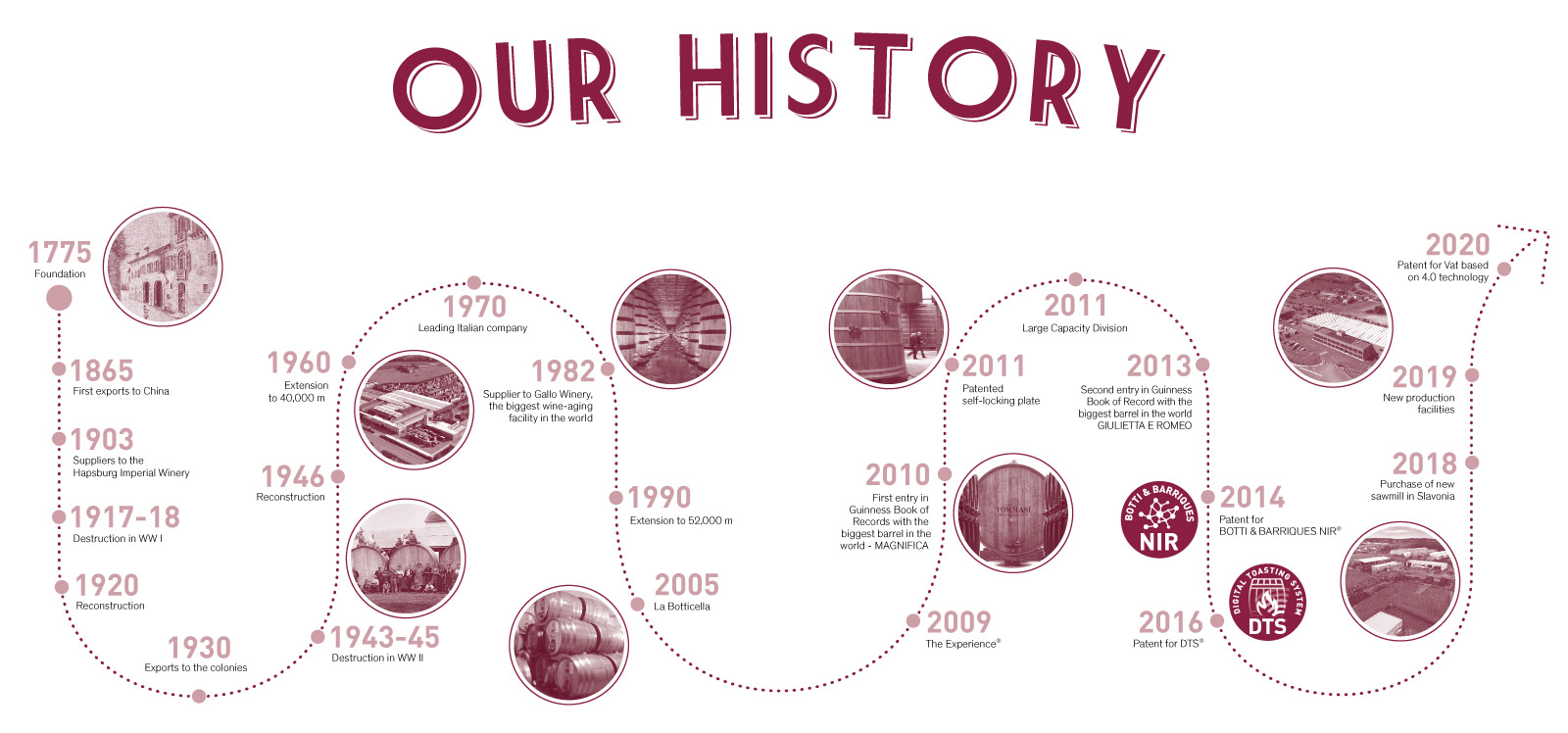
That same week, an article started circulating in a community Slack of yet another set of former colleagues. This community is unique, too. People from the same firm scattered across new companies and across decades, still reconnecting and paying attention to each other. This place also went through rounds of layoffs just like the rest of the industry. So this particular article about a 250-year-old Italian cooperage called Garbellotto S.p.A. famous for never laying anyone off caught my eye.
In 1978, they had no customers. The oil shock had frozen capital investment across Europe, and wineries cut barrel orders first. The books went to zero.
The conventional move would have been layoffs. Pietro Garbellotto paid full salaries instead. With nothing to build, the coopers maintained equipment, tended wood yards, preserved the six-hectare lumberyard where oak seasons at eight months per centimeter of thickness — a rhythm that can't be hurried and won't be reconstructed from a job posting. The company hemorrhaged cash for two years. By any conventional financial measure, a disaster. Pietro's words, not mine.
In 1980, Gallo Winery commissioned the largest single order in the history of the cooperage industry: 712 giant vats, 6,600 liters each. Garbellotto was the only shop in the world that could execute it. Everyone else had let their coopers go.
The Slack channel lit up. How Garbellotto's approach compared to how organizations face the same pressures today. Whether care and quality can coexist when the numbers get hard. The article made a case that they can, so long as people stay connected to each other and to the work. The reasons behind decisions like these rarely change the weight of them.
What the research suggests is that the weight extends further than most firms ever account for. What the studies haven't (and maybe can't?) capture is the impact of a qualitative dimension. The speed at which things get done when the people doing them have years of history together, the judgment calls that happen without a written brief, the problems that get solved at 11pm because the relationship made making the emergency phone call possible. All of that is a feature of the people, and the time they spent building something together. You can post the same job on a platform and get a technically qualified person. You will not get the network that formed around the person you let go.
When you dismantle the anchor, the multiplier runs in reverse.
Firms will tell you exactly what things cost. Headcount, infrastructure, cost of goods sold, the investment required to grow. What they rarely account for is the invisible network underneath all of it. The one that actually powers the place, that took years to form, that never appeared on a single invoice. When decisions like this get made, that network is part of the calculation too. The trust, the productivity, the people who say yes because of who's asking. All of it has a cost when it's gone.
This essay is part of Deep Familiar Ground — a series on distributed nodes, earned trust, and the quiet work of building systems that don't fall apart when you're not watching.
References
- "The 250-Year-Old Company That Survived by Refusing to Lay People Off" Eric Markowitz, Big Think / The Long Game, May 2026
- Garbellotto S.p.A. — Company History
- Moretti, Enrico. "Local Multipliers." American Economic Review 100, no. 2 (2010): 373–377.